
Cash Is Returning: russians Are Rescuing Their Savings from the Government and Inflation
3/22/2026
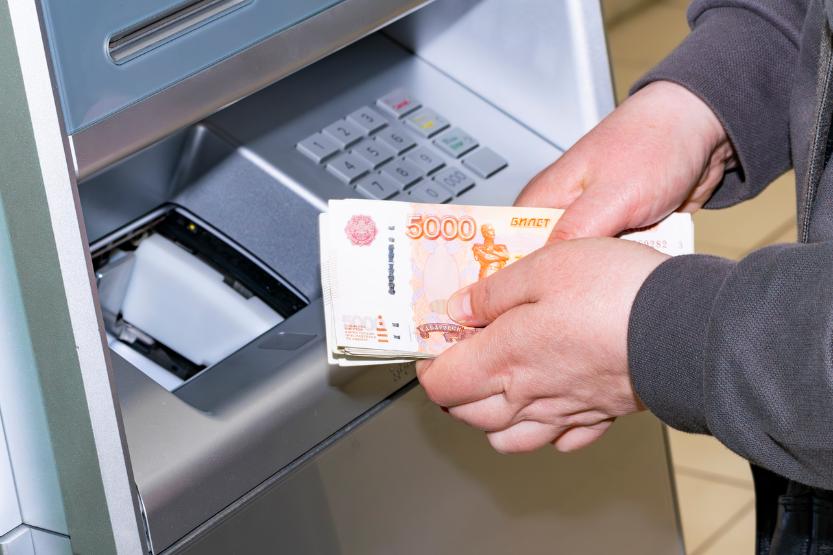
In January 2026, russian citizens withdrew over $19.7 billion from their bank cards and savings accounts, while depositing only $5.8 billion. The net outflow from the banking system amounted to $13.9 billion – the second-largest figure since 2010. The record still belongs to March 2022, when, following the full-scale invasion of Ukraine and the imposition of sanctions, the population withdrew $25.9 billion.
This negative trend is driven by several factors simultaneously. The kremlin’s tightening control over financial transactions and disruptions in internet infrastructure are pushing citizens to keep their money away from banks. Inflationary expectations are taking their toll: households are reducing savings in favor of current consumption, not believing that the purchasing power of their deposits will be preserved.
In parallel, there is a “renaissance” of cash in everyday life. Since the beginning of 2026, every second resident of russia has been offered to pay for goods or services in cash, and every third person has encountered this multiple times. 18% of russians receive such offers constantly. Businesses are moving underground amid VAT hikes, revisions to insurance premiums, and a lower VAT threshold for businesses under the simplified tax system.
The consequences for the banking system are clearly negative. The shrinking deposit base limits banks’ resources for lending and increases their dependence on refinancing from the central bank of the rf. Massive fund transfers overload monitoring systems, causing payment delays and increasing operational risks.
Please, be reminded that, according to available information, deposits from ordinary russian savers have already become a financial reserve for major russian banks, which are effectively on the brink of crisis due to a lack of capital. At the same time, these funds are actively being used to purchase government debt securities, as well as to provide loans to state-owned corporations and defense industry enterprises. To somehow cover the lack of funds in bank accounts and protect itself, the kremlin is preparing to impose restrictions on deposit withdrawals.
The macroeconomic background further complicates the situation. Escalation in the Middle East is making more expensive the logistics and import costs, fueling inflation. The growth in cash circulation and consumer activity creates an additional pro-inflationary effect, making stabilization an increasingly elusive prospect.